
The Touch That Defines Natural Stone's Character: Travertine Surface Finishes and Their Differences
From the very moment it is quarried, natural travertine possesses a unique texture and individual character. However, the exact mood and soul this exceptional stone will reflect in an architectural project are fundamentally determined by the surface finishing techniques applied to it. As Vision Travertine, we process raw travertine in our state-of-the-art facilities, tailoring it into the most suitable formats for your projects. Choosing the right surface finish directly impacts both the aesthetic appeal of the stone and the functionality of the area where it will be installed.
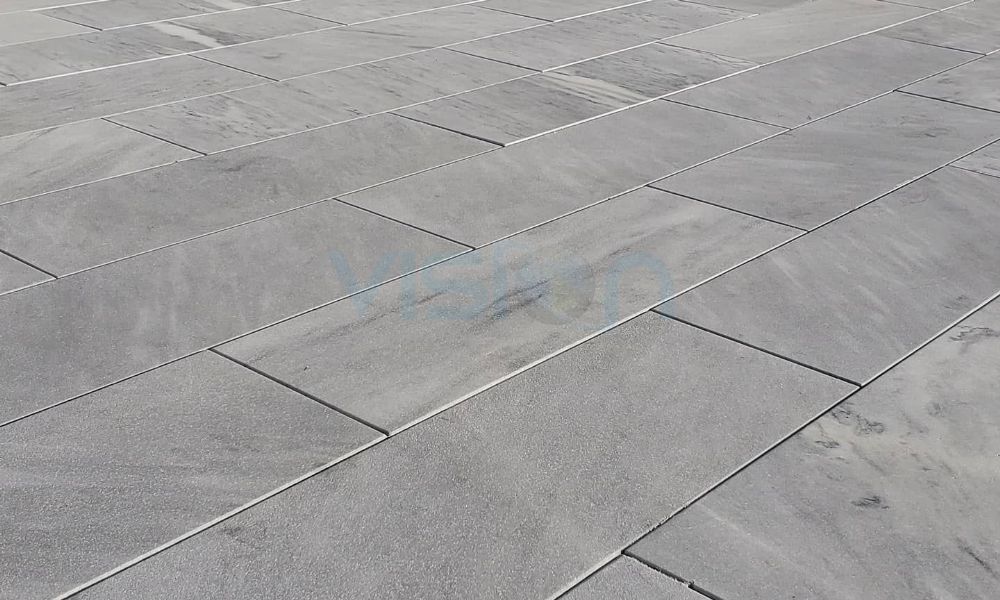
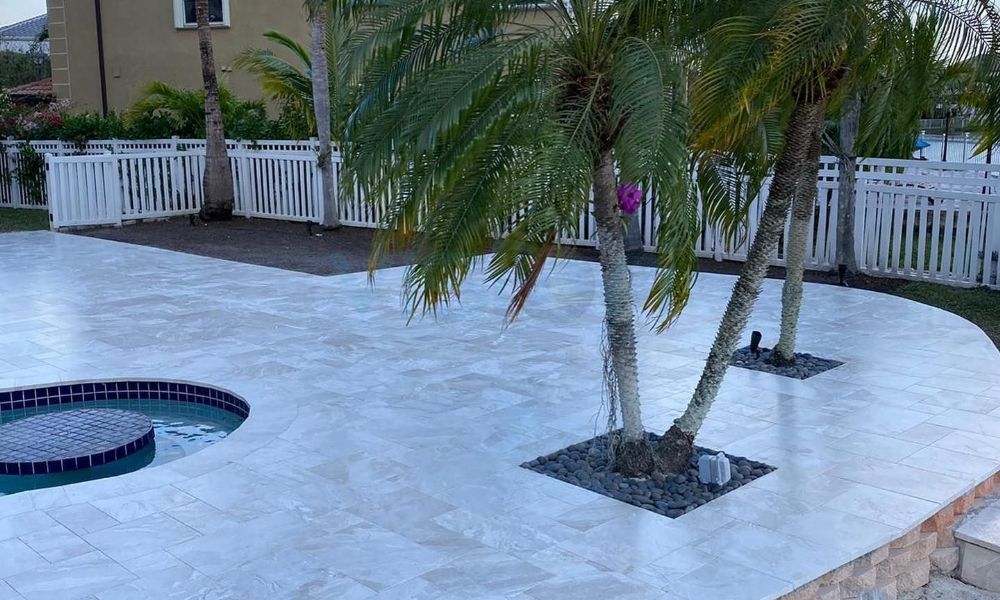
One of the most preferred methods in architectural projects is the "Honed" surface finish. Honing is the process of sanding the stone’s surface with special abrasive stones to achieve a smooth, matte, or semi-matte appearance. This non-reflective yet satiny surface sets a perfect foundation for modern and minimalist designs. On the other hand, a "Polished" surface involves buffing the stone to a high sheen that reflects light elegantly. Polished travertine brings out the full vibrancy of the stone's colors, creating an eye-catching, elite atmosphere on interior wall claddings and luxury entryways.
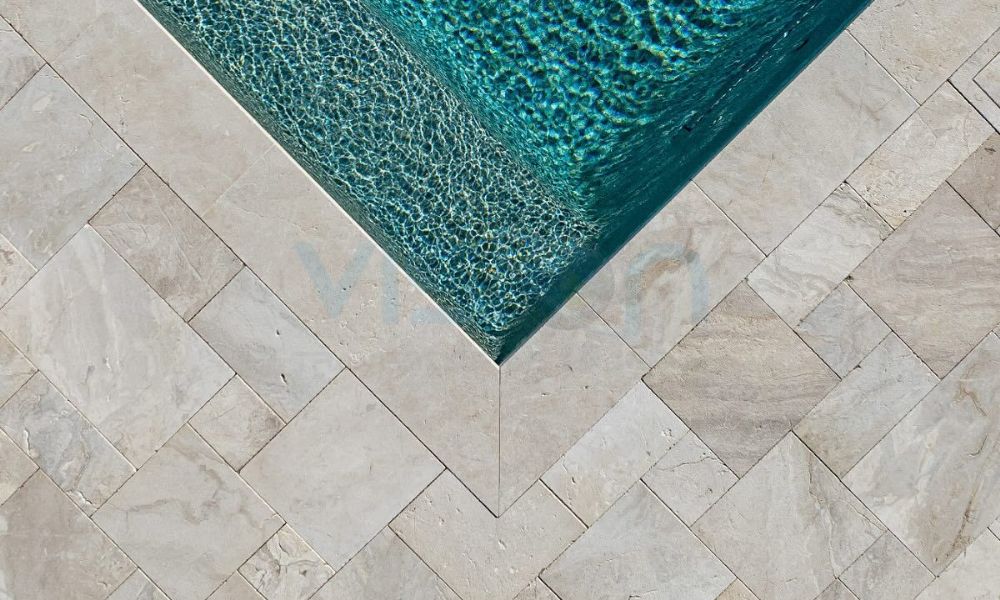
When a historic, time-worn, and organic texture is desired, "Tumbled" and "Brushed" (Chiseled/Patinato) finishes come into play. Tumbling involves rotating the stones in specialized vibrating drums with water and abrasive media to round off the edges and give the surface an antique look. Brushing, meanwhile, uses heavy-duty wire brushes to comb the stone surface, accentuating the travertine's natural vein structure. Since both methods provide high friction and non-slip capabilities, they are the top choices for outdoor designs like pool decks, patios, and garden walkways.
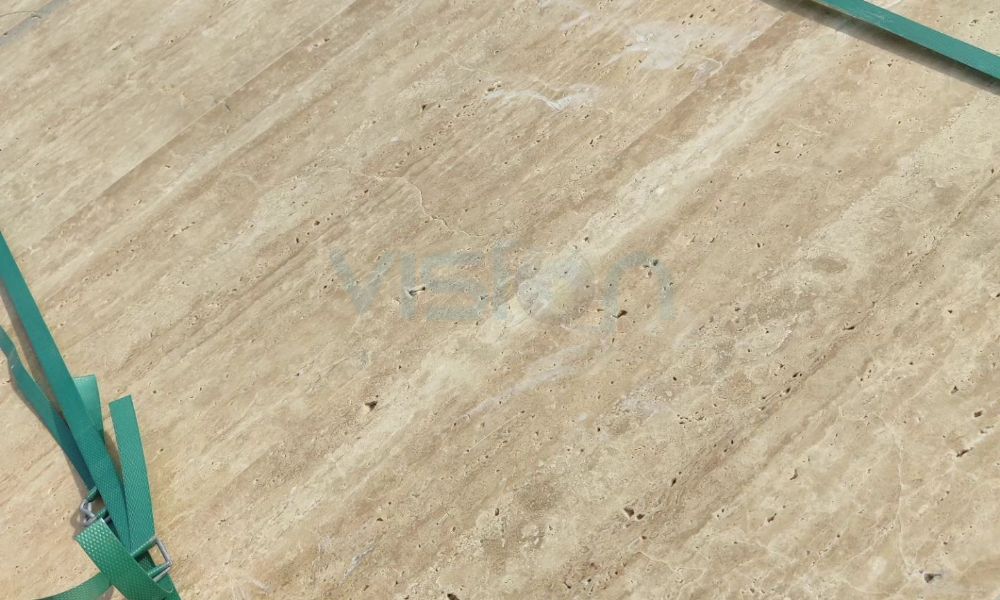
The characteristic voids naturally present within travertine give rise to the distinction between "Filled" and "Unfilled" finishes. In a filled finish, the pores on the stone's surface are packed with specialized cement or chemical resins to achieve a completely level and flat surface. This process prevents dirt accumulation, making it exceptionally easy to clean in interior floors, kitchens, and bathrooms. Conversely, unfilled travertine showcases all the pores and the raw organic structure of the stone to the naked eye, injecting a completely untouched, authentic naturalness into spaces.
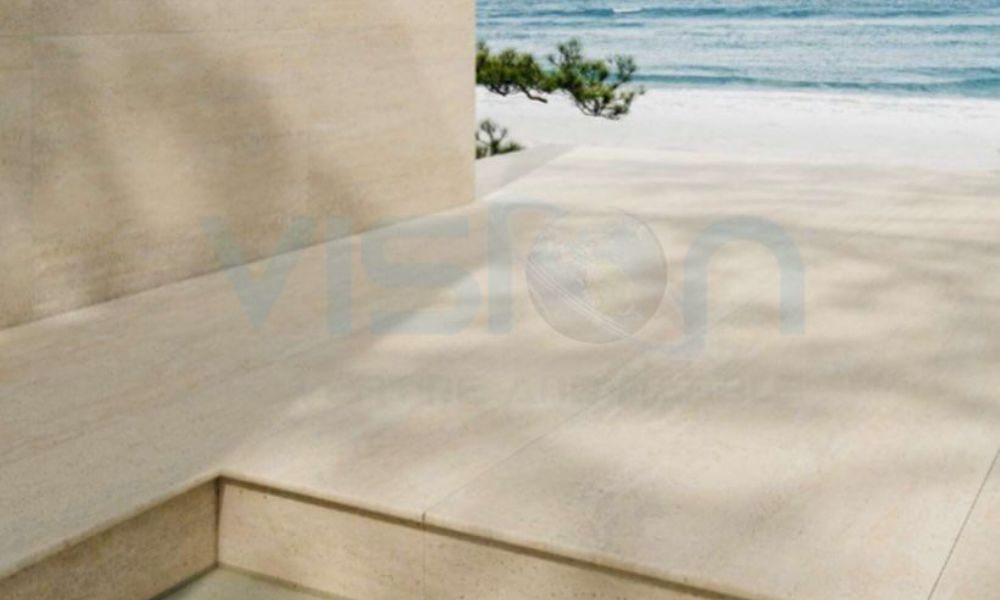
The fundamental differences among these surface finishes are not limited to visual aesthetics alone; they also dictate the stone’s slip resistance, light reflection rate, and maintenance requirements. For instance, filled and honed travertine on a kitchen countertop or bathroom floor offers distinct advantages for water resistance and easy cleaning. Meanwhile, an unfilled and brushed travertine used outdoors guarantees a safe walking surface even in rainy weather. The climatic conditions of the project site and the traffic density are the leading criteria for selecting the correct finish.
At Vision Travertine, we blend every travertine slab and tile with the precise surface finishing techniques that complement the soul of your project on our world-class production line. Thanks to our extensive product portfolio, we empower architects and designers with the ultimate freedom to build the spaces of their dreams. You can always contact us to determine which travertine surface finish will be more efficient and elegant for your layout, and to receive professional technical support from our expert team.